
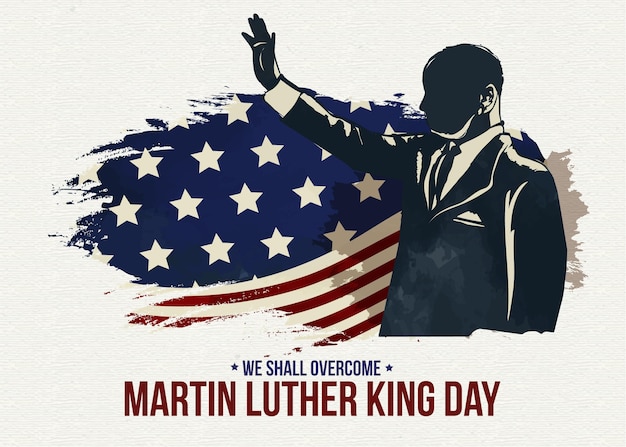
Martin Luther King Jr.: A Beacon of Hope and Equality
Welcome, dear reader, to the inspiring journey of Martin Luther King Jr., a name etched in the annals of history as a champion of civil rights and a symbol of hope for millions around the world. In this captivating biography, we delve deep into the life of this extraordinary individual, exploring his upbringing, his tireless activism, and his enduring legacy that continues to shape our world today.
Early Life and Education
Martin Luther King Jr. was born on January 15, 1929, in Atlanta, Georgia, into a family steeped in the traditions of the Southern black ministry. His father, Martin Luther King Sr., was a Baptist minister, and his mother, Alberta Williams King, was a schoolteacher. From a young age, King was imbued with the values of faith, justice, and equality, which would later become the cornerstone of his life’s work.
Growing up in the segregated South, King experienced firsthand the harsh realities of racial discrimination. Despite the challenges, he excelled academically and skipped two grades in high school, entering Morehouse College in Atlanta at the age of just 15. It was here that he began to hone his intellect and develop a keen sense of social justice, inspired by the teachings of Mahatma Gandhi and Henry David Thoreau.
After graduating from Morehouse with a degree in sociology, King went on to study theology at Crozer Theological Seminary in Pennsylvania. It was during this time that he deepened his understanding of nonviolent resistance and the power of collective action, laying the groundwork for his future activism.
Rise to Prominence
Following his theological studies, King pursued a Ph.D. in systematic theology at Boston University. It was during his time in Boston that he met and married Coretta Scott, a talented musician and fellow activist who would become his lifelong partner in the struggle for civil rights.
In 1955, King received his doctorate and returned to the South to join the burgeoning civil rights movement. His leadership qualities quickly became apparent, and he was thrust into the spotlight during the Montgomery Bus Boycott of 1955-1956. The boycott, sparked by the arrest of Rosa Parks, saw African Americans in Montgomery, Alabama, refuse to use the city’s bus system in protest against segregation.
King emerged as a charismatic and eloquent spokesperson for the boycott, advocating for nonviolent resistance and inspiring thousands to join the cause. His stirring speeches and unwavering commitment to justice captured the nation’s attention, catapulting him to national prominence as a leader of the civil rights movement.
The Struggle for Civil Rights
Throughout the late 1950s and early 1960s, King continued to lead nonviolent protests and demonstrations across the South, challenging segregation and demanding equality for all Americans. His philosophy of “creative nonviolence” emphasized the power of love and forgiveness as tools for social change, earning him both admirers and detractors.
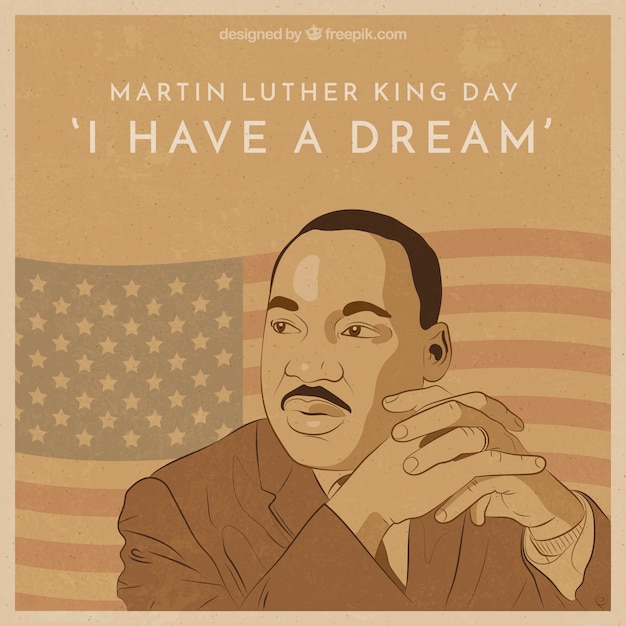
In 1963, King helped organize the historic March on Washington for Jobs and Freedom, where he delivered his iconic “I Have a Dream” speech to a crowd of over 250,000 supporters gathered at the Lincoln Memorial. In this stirring address, King articulated his vision of a future where people would be judged not by the color of their skin but by the content of their character, inspiring generations to come.
Despite facing arrest, harassment, and even violence, King remained steadfast in his commitment to nonviolent protest, leading campaigns for desegregation, voting rights, and economic justice. His efforts culminated in the passage of the landmark Civil Rights Act of 1964 and the Voting Rights Act of 1965, which outlawed racial segregation and discrimination and guaranteed the right to vote for all Americans.
Legacy and Impact
Tragically, King’s life was cut short on April 4, 1968, when he was assassinated at the age of 39 while standing on the balcony of the Lorraine Motel in Memphis, Tennessee. His death sent shockwaves around the world, sparking riots and protests in cities across America and prompting an outpouring of grief from millions who had been touched by his message of peace and justice.
Yet, while King may have been taken from us far too soon, his legacy endures as a beacon of hope and inspiration for future generations. His words and actions continue to resonate with people of all backgrounds, reminding us of the power of courage, compassion, and collective action in the fight for a more just and equitable society.
In the decades since his passing, King has been honoured with countless awards and accolades, including the Nobel Peace Prize in 1964, making him the youngest recipient at the time. His birthday is now celebrated as a national holiday in the United States, and his name adorns schools, streets, and monuments around the world.
Conclusion
As we reflect on the life and legacy of Martin Luther King Jr., let us not simply mourn his loss but celebrate his enduring impact on our world. From humble beginnings in the segregated South to global recognition as a champion of civil rights, King’s journey serves as a testament to the power of one individual to effect profound and lasting change.
In the words of King himself, “The arc of the moral universe is long, but it bends toward justice.” Let us honour his memory by continuing to bend that arc, working tirelessly to build a world where all are treated with dignity, respect, and equality. Martin Luther King Jr. may be gone, but his dream lives on in each and every one of us.
This biography serves as a tribute to Martin Luther King Jr., encapsulating his remarkable life and enduring legacy. From his humble beginnings in Atlanta to his pivotal role in the civil rights movement, King’s story is one of courage, compassion, and unwavering commitment to justice. As we celebrate his legacy, let us also recommit ourselves to the ideals for which he so passionately fought.
“Darkness cannot drive out darkness; only light can do that. Hate cannot drive out hate; only love can do that.” – Martin Luther King Jr.


0 Comments